Department of Environmental Sciences
Integrative Prehistory and Archeological Science (IPAS)
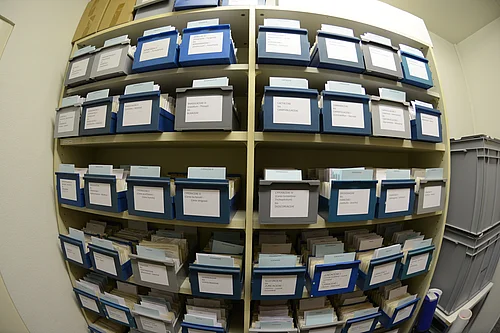
The IPNA mandates a library and several academic collections, most of which are made available to members of the university and external researchers by prior arrangement.

Library
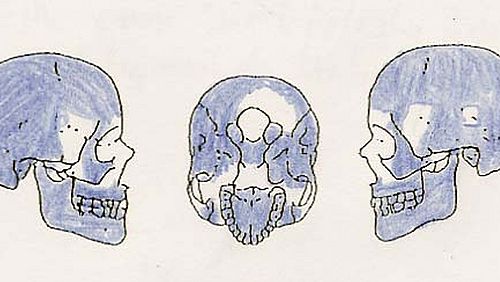
The IAG is currently an association of six cantons (GR, SG, SH, AG, BL, FR) to promote anthropological studies on historical skeletons.
A collection of modern buds and epidermis is available
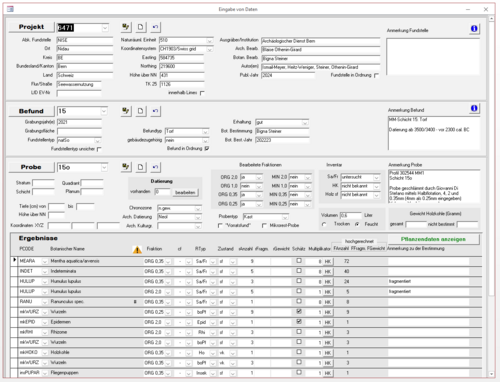
All plant macro remains (primarily seeds, fruits, and charcoal) from archaeological sites in Switzerland and neighbouring regions are entered into the ArboDat archaeobotanical database. In addition to all the projects studied at the IPAS, information on many other Swiss sites is also recorded.
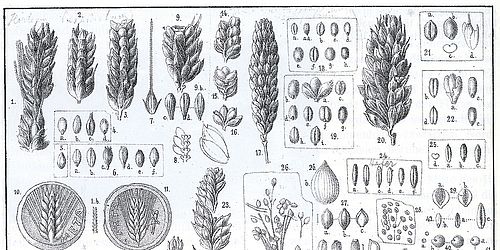
An extensive reference collection of modern seeds and fruits is available for the identification of plant remains. It covers a large part of the Central European flora and consists of approximately 7,500 specimens.
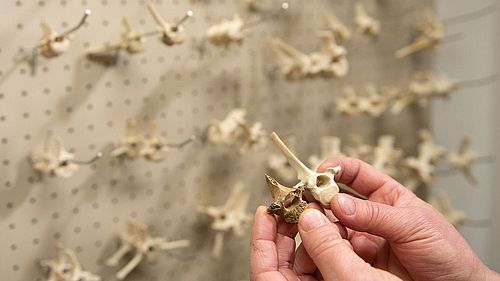
Focal areas large mammals (domestic and wild animals) and small animals (birds, fish, small mammals, amphibians, reptiles) of the European Holocene
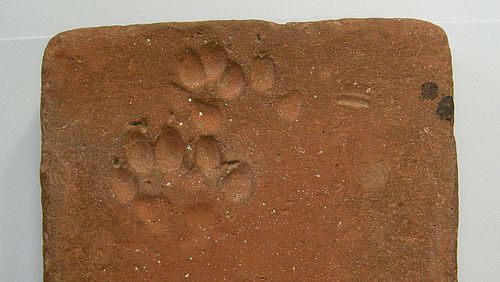
Archaeological stray finds from Augusta Raurica
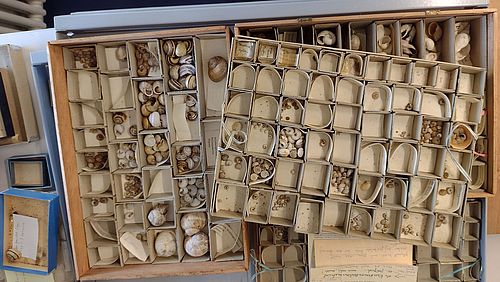
Focal areas of Europe's Holocene
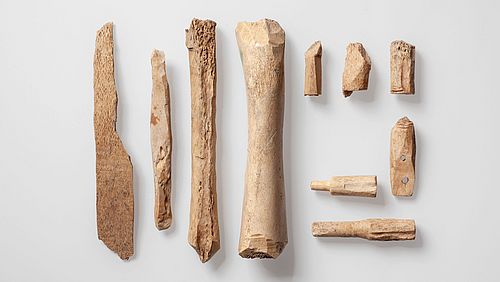
Focal area recent objects or replicas of archaeological finds made of bone, antler, ivory, tooth, horn and leather
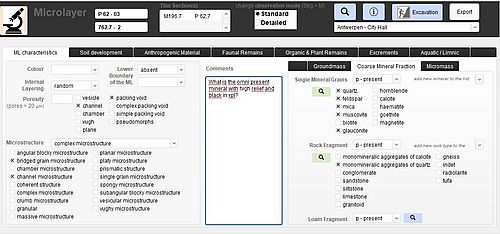
I-GEOARCHrec allows the systematic recording of observations at various scales, from the brief description of an excavation to the preservation of a single component.
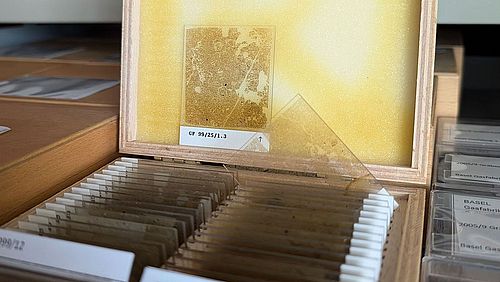
The collection with over 5,000 thin sections of block and ceramic samples is accessible for research and teaching. o Layers (from archaeological sites) o Ceramics, clay, mortar o Coprolites o and much more.
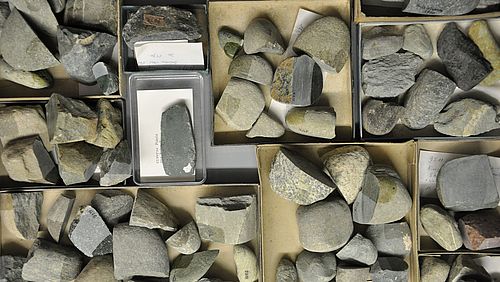
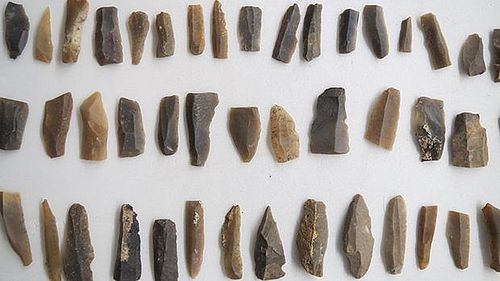
More than 1.5 million years of human history are documented in the prehistory collection. The approximately 20,000 objects are mostly stone and bone artifacts covering a period from 1.5 million years to 5,000 BC. All periods of the relevant time period are well documented.
Quick Links
Social Media